
Oncology
Cancer therapies can push tumor and stromal cells into senescence. Those cells can persist, fuel inflammation, and support relapse and resistance.
- Bladder
- Breast
- Melanoma
- Lung
- Renal
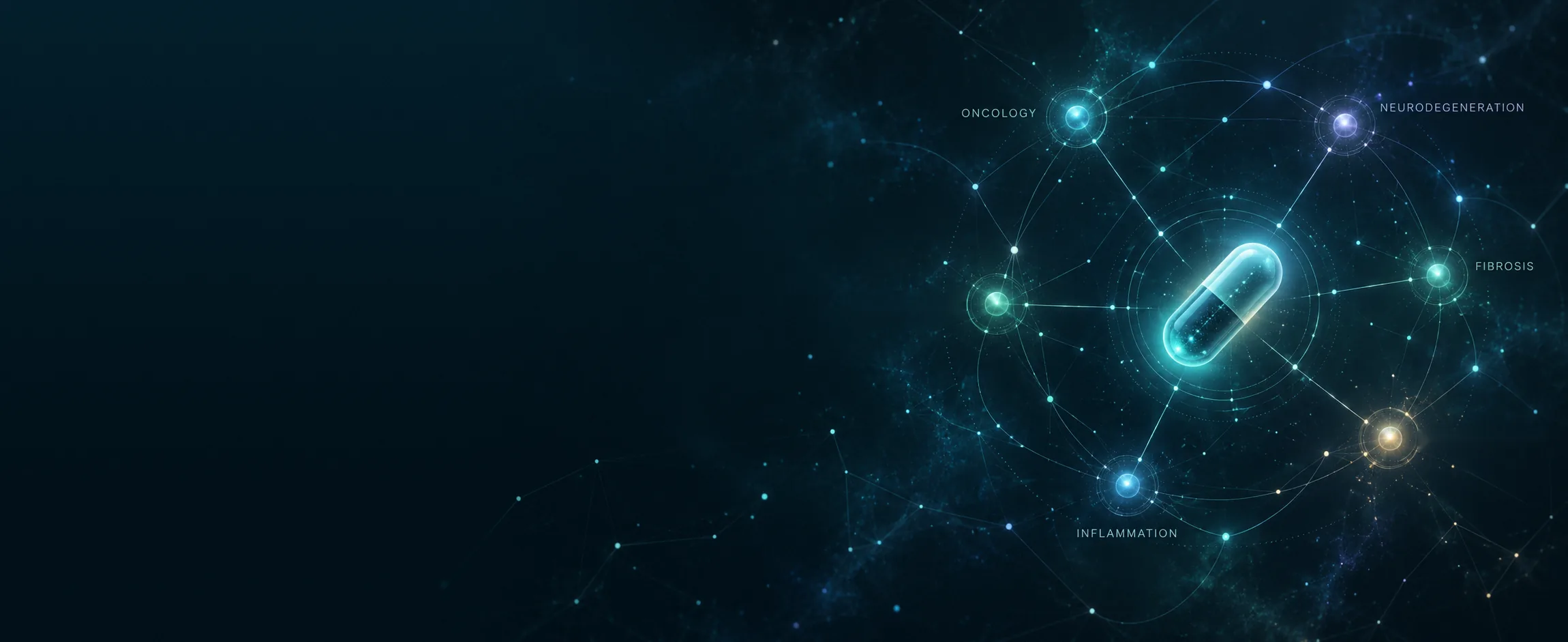
Discovering gerotherapeutics for diseases that share the biological drivers of aging.
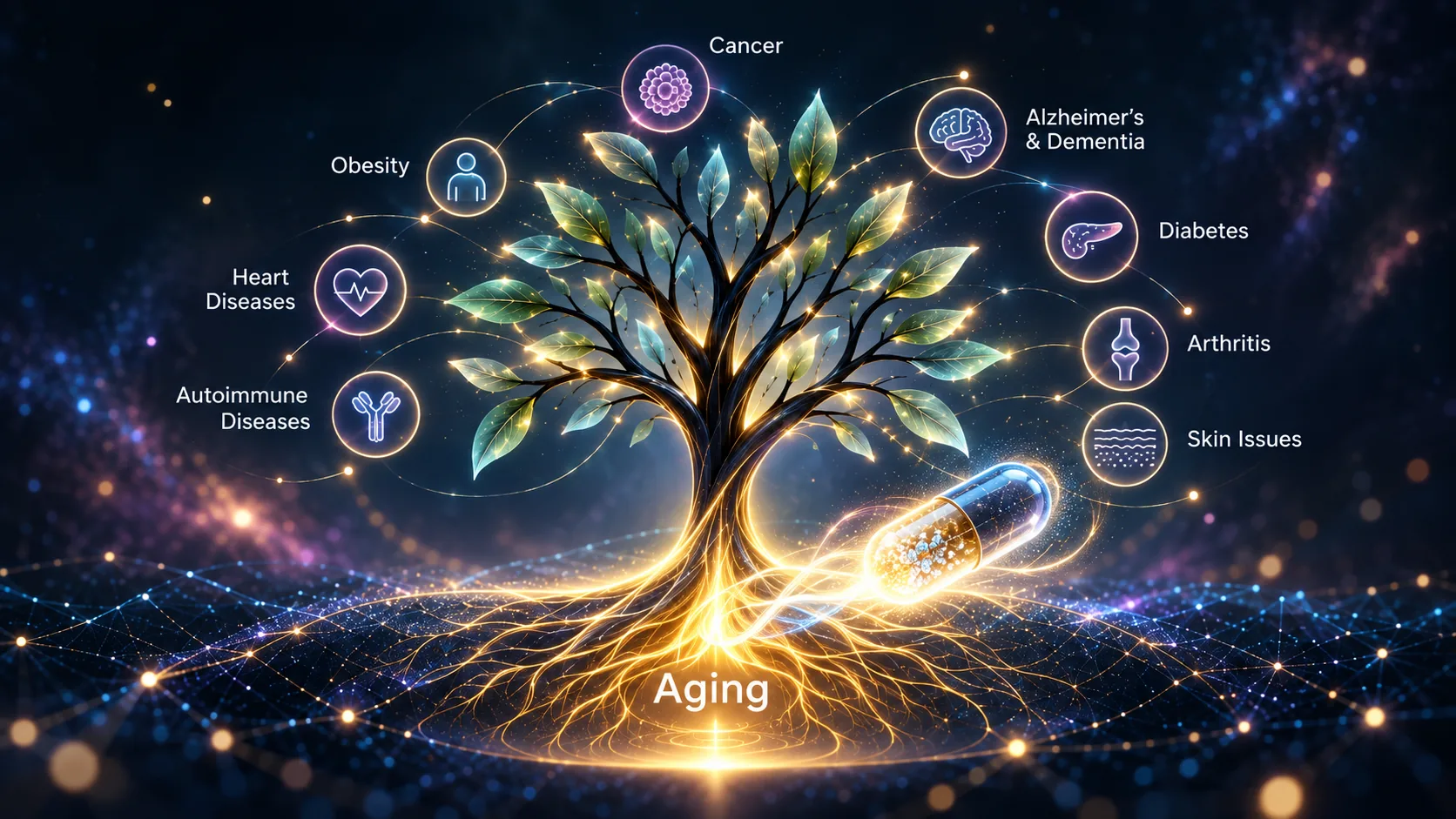
Aging biology contributes to disease across tissues. We develop small-molecule approaches to these shared drivers.
Oncology is our lead program, with fibrosis and neurodegeneration in discovery. Each targets the senescent cells that build up in diseased and aging tissue.
Cancer therapies can push tumor and stromal cells into senescence. Those cells can persist, fuel inflammation, and support relapse and resistance.
Senescent cells sustain the pro-fibrotic signals behind progressive scarring of vital organs.
Senescent glia accumulate in the aging brain and are linked to chronic neuroinflammation.
Model selection and evaluation progress vary by program.
Explore our pipelineDrug discovery works best when predictions meet biology. We connect screening, molecular design, and AI with experimental evaluation.
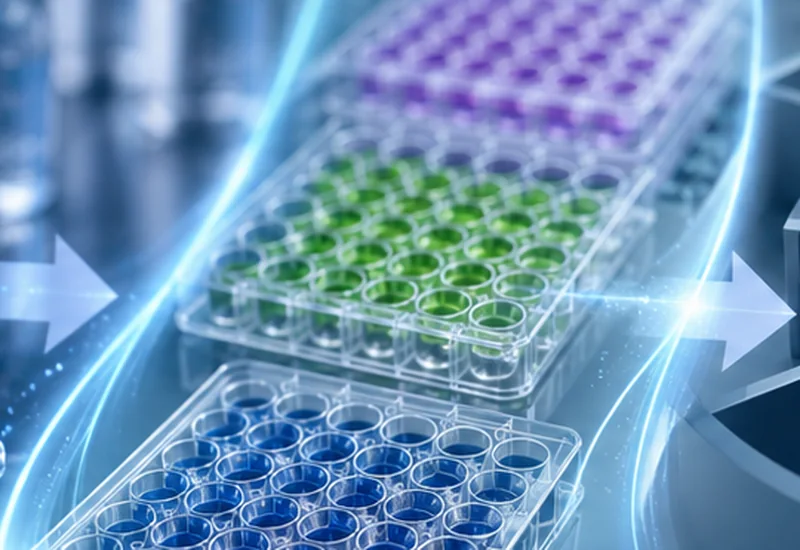
Chemical-library screening and quantitative imaging identify promising compounds and characterize their effects in relevant cellular models.
Inside our technology
Medicinal chemistry and structure–activity relationships turn early hits into drug-like candidates with improved potency, selectivity, and properties.
Inside our technology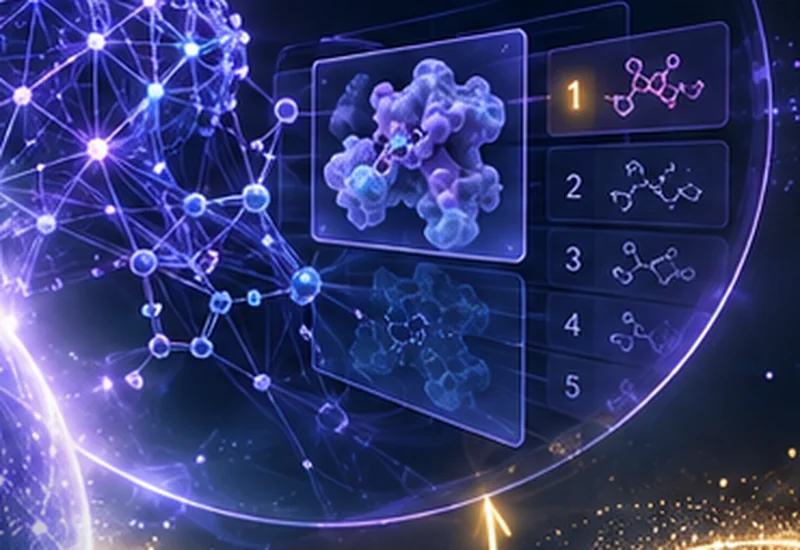
Machine-learning models integrate imaging and chemistry data to prioritize compounds and focus the next round of design.
Inside our technology
Candidates are evaluated in cellular and animal models of disease. Results return to screening and design rather than ending the process.
Inside our technologyA cycle, not a sequence: results from living systems return to screening and design.